


Historie Nike Air Max: každá ikona od Air Max 1 po TN
Některé řady tenisek mají dobrý rok. Air Max má za sebou čtyři dobrá desetiletí. Od roku 1987 se viditelná jednotka Air proměnila z divokého experimentu, který málem stál jejího designéra místo, v tepající srdce sneakerové kultury, nosené běžci, ravery, rappery a všemi mezi tím. Každých pár let přidalo Nike další siluetu a téměř každá nakonec definovala scénu, město nebo celou generaci.
Tyto boty máme v rukou každý den v našem skladu. Vidíme procházet OG barevné varianty, deadstock páry, kolaborace, které se nikdy nedostaly do běžných regálů. Berte tedy tento článek jako náš milostný dopis této řadě: kompletní historie, modely, které musíte znát, příběhy, které většina lidí nikdy neslyšela, a páry, po kterých se vyplatí pátrat právě teď.
Před bublinou: Air, který nebyl vidět
Příběh začíná ještě před vznikem Air Max. V roce 1978 uvedlo Nike model Air Tailwind, první botu s tlumením Air uvnitř mezipodešve. Běžci ten pocit milovali, ale z marketingového pohledu tu byl problém: technologie byla neviditelná. Museli jste Nike věřit na slovo, že uvnitř vůbec něco zvláštního je. Téměř deset let byl Air něčím, co jste cítili, ale nikdy neviděli.
Pak do budovy vešel bývalý architekt.
Air Max 1 (1987): okno, které změnilo všechno
Tinker Hatfield navrhoval pro Nike kanceláře a showroomy, než nakreslil jedinou botu, a právě toto zázemí změnilo historii tenisek. Na cestě do Paříže stál před Centre Pompidou, budovou, která nosí své útroby navenek: trubky, šachty a eskalátory zcela odhalené. Hatfield si položil jednoduchou otázku. Když budova může ukazovat, co ji pohání, proč by to bota nemohla dělat taky?
Jeho odpovědí bylo vyříznout do mezipodešve okno a vystavit jednotku Air očím světa. Uvnitř Nike si lidé upřímně mysleli, že ten nápad firmu potopí. Někteří manažeři ho prý chtěli pryč. Pak 26. března 1987 vyšla Air Max 1 v legendární barevné variantě University Red a debata skončila. Datum se stalo tak důležitým, že z něj Nike později udělalo Air Max Day, slavený každoročně po celém světě.
Sběratelé znají ještě jednu kapitolu. Úplně první páry z roku 1986 a začátku 1987 měly znatelně větší bublinu Air, která se ukázala jako křehká a byla rychle zmenšena. Z těchto raných párů se stal grail materiál a Nike jim v roce 2023 konečně vzdalo hold reedicí Big Bubble, postavenou podle původních specifikací.
Air Max 1 se také stala plátnem některých z největších kolaborací všech dob. Amsterdam si zaslouží zvláštní uznání: Patta má s touto siluetou vztah trvající desítky let a série Patta Waves je moderní klasika. Přepracovaný vlnitý blatník, bungee utáhnutí a řada barevných variant vyprodaných ve vteřině, kdy vyšly. Jako nizozemský obchod jsme možná zaujatí, ale Waves patří do každé seriózní rotace.
Air Max 90 (1990): ta agresivní
Tři roky po jedničce si Hatfield nabrousil tužku. Air Max 90, původně prodávaná jako Air Max III a přejmenovaná až po letech, vyměnila přátelské křivky jedničky za tvrdé linie, vrstvené panely a tu nezaměnitelnou TPU klec kolem paty. Design měl jediný úkol: přitáhnout váš pohled přímo k jednotce Air. Barevná varianta Infrared, patrně nejslavnější akční barva v historii tenisek, se postarala o to, abyste se nemohli dívat nikam jinam.
Kde jednička šeptá, tam devadesátka křičí, a právě to z ní udělalo definitivní Air Max celých scén. Ve Velké Británii se stala základem tribun. V Nizozemsku udávala rytmus éře: devadesátka byla prakticky oficiální obuví gabber kultury devadesátých let, dupající halami od Rotterdamu po Utrecht. Málo tenisek je tak hluboko vetkaných do nizozemské kultury mládeže.
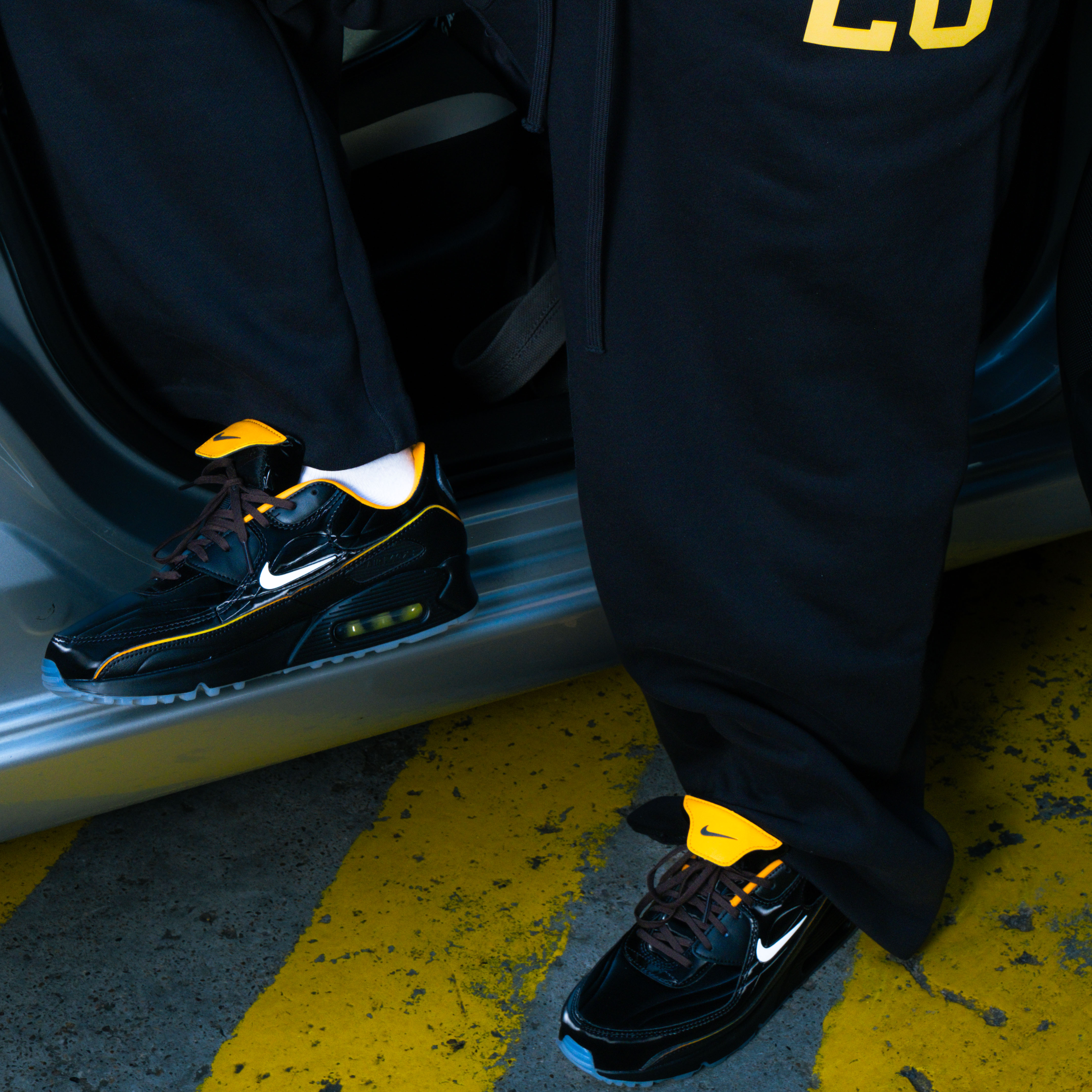
Třicet pět let poté nese devadesátka kolaboraci pořád lépe než téměř cokoli jiného. Nedávné spojení s londýnským umělcem Slawnem proměnilo siluetu v nositelné umělecké dílo, s jeho charakteristickým malovaným chaosem na prémiových materiálech, dostupné v černé i bílé.
Air Max 180 (1991): Air, který cítíte skrz podlahu
Další otázka byla zřejmá, jakmile ji někdo vyslovil: co kdyby se jednotka Air jen neukazovala, ale skutečně se dotýkala země? Air Max 180 odpověděla odhalením 180 stupňů bubliny a odstraněním gumy pod ní, takže Air přicházel do přímého kontaktu s chodníkem. Chůze ve 180 je to nejbližší, jak se Nike kdy dostalo k chůzi po samotném Air.
Launch odpovídal ambicím. Nike zadalo kampaň umělcům a animátorům z celého světa a přistupovalo k botě jako ke kulturní události, ne k uvedení produktu. Barevná varianta Ultramarine, s hlubokou modrou a záblesky solární červené, se stala tváří modelu, tak milovanou, že ji Nike v roce 2024 přivedlo zpět věrně původnímu tvaru.
Dnes je 180 volbou znalce této řady. Méně okatá než devadesátka, vzácnější v terénu než 95 a okamžitě rozpoznaná přesně těmi správnými lidmi. Když někdo vejde do našeho showroomu ve 180, víme, že to bude dobrý rozhovor.
Air Max BW a 93: přemosťující roky
Dva modely z počátku devadesátých let si zaslouží své květiny, než se dostaneme k roku 1995. Air Max BW, zkratka pro Big Window, vzala vzorec devadesátky a jednotku Air ještě zvětšila. V Nizozemsku, Francii a Německu se BW stala pouliční ikonou sama o sobě, přičemž barevná varianta Persian Violet si dodnes drží legendární status v hardcore a gabber kruzích.
Air Max 93 pak ohnula bublinu kolem paty na 270 stupňů viditelného Air, s využitím technologie vyfukování převzaté, ze všech věcí, z kanystrů na mléko. Tato konstrukce paty tiše položila základy všemu od 95 po moderní 270.
Air Max 95 (1995): lekce anatomie
V polovině devadesátých let potřebovala řada Air Max šok a designér Sergio Lozano ho dodal tím, že tenisky úplně ignoroval. Navrhl Air Max 95 jako lidské tělo. Mezipodešev je páteř. Vrstvené panely jsou svalová tkáň. Očka jsou žebra. Svršek v přechodu od tmavě šedé dole po světlou nahoře byl inspirován deštěm erodujícím stěnu kaňonu, s praktickým bonusem skrývání špíny v deštivých dnech.
Revoluční ji udělaly další dvě prvenství. Byla to první Air Max s viditelným Air v přední části chodidla a první, kde Swoosh od Nike téměř zmizel, zredukovaný na malé logo schované u paty. Branding místo něj obstaraly neonové akcenty.
Kulturní dopad se nepodobal ničemu, co tenisky do té doby zažily. V Japonsku spustila 95 plně rozvinutý fenomén, s páry měnícími majitele za absurdní částky a časopisy dokumentujícími šílenství. Ve Velké Británii se stala uniformou jungle a později grimu, tak přítomnou ve videoklipech, že je silueta prakticky nástrojem. K třicátému výročí se Nike vrátilo k původním formám s OG Big Bubble Neon: 95 přesně tak, jak ji Lozano zamýšlel, s větší přední bublinou, kterou výrobní proces roku 1995 nedokázal dodat ve velkém.
Kupte Air Max 95 OG Big Bubble Neon
Air Max 97: stříbrná legenda
Žádná poctivá historie Air Max nepřeskakuje 97. Christian Tresser zabalil celou botu do plynulých linií, schoval tkaničky, přidal viditelný Air po celé délce a dokončil ji v metalické stříbrné s červeným akcentem. Zrodila se Silver Bullet. Populární legenda říká, že design inspirovaly japonské rychlovlaky; sám Tresser ukazoval na horská kola a vlnky na vodě. Líbí se nám, že oba příběhy žijí dál, protože přesně to se stane, když se bota stane folklórem.
Itálie přijala 97 jako národní poklad. V Miláně nikdy nebyla retro, protože nikdy neodešla. Pokud na fotce z italského klubu z kteréhokoli roku od 1997 zahlédnete stříbro, je velká šance, že přesně víte, o kterou botu jde.
Air Max Plus, TN (1998): vyladěná pro ulici
Designér Sean McDowell načrtl Air Max Plus na pláži na Floridě během pauzy mezi dvěma pracemi, když sledoval palmy ohýbající se ve větru a myslel na velrybí ocas prorážející hladinu. Z těchto skic se stala nejdivočejší Air Max vůbec: svršek ze síťoviny v přechodu tavicím se jako západ slunce, zvlněné TPU prsty svírající boky a pod tím Tuned Air, nový systém s mechanickými tlumícími pody pro větší stabilitu.
V USA vyšla jako běžecká bota a vedla si dobře. V Evropě se stala náboženstvím. Foot Locker ji v prvních letech nabízel jako evropskou exkluzivitu a ulice si ji okamžitě přivlastnila. Ve Francii si TN vysloužila přezdívku Requin, žralok, a stala se teniskou definující kulturu předměstí, zmiňovanou ve dvou dekádách francouzského rapu. V Neapoli, v Rotterdamu, v Londýně: TN není trend, je to infrastruktura. Nike tuto lásku chápe a živí ji edicemi inspirovanými městy jako Lisboa, barevnou variantou stvořenou pro lidi, kteří nosí své město na nohou.
Řada se nikdy nezastavila
Po TN se inovace valily dál. Air Max 360 v roce 2006 úplně odstranila pěnu a nechala vás stát na ničem jiném než Air. VaporMax dotáhla tuto myšlenku na hranici v roce 2017, když proměnila samotnou jednotku Air v podešev. Model 270 přeložil Air Max do čistě lifestylové boty v roce 2018, s nejvyšší patní bublinou, jaká do té doby vznikla, a generace Dn nyní experimentuje s dynamickými komorami Air, které reagují na to, jak se hýbete.
A každého 26. března se celý ekosystém sejde na Air Max Day, kdy Nike vydává výroční edice, vrací graily a připomíná všem, kde to začalo: architektem, oknem a bublinou, kterou konečně mohl vidět každý.
Jak postavit svou rotaci Air Max
Po desetiletích práce s těmito botami takto radíme zákazníkům v našem showroomu. Začněte s Air Max 1 nebo 90 jako základem, protože jdou doslova ke všemu. Přidejte 95 nebo TN, když chcete, aby vaše tenisky outfit vedly, místo aby ho následovaly. A až budete připraveni na hlubokou vodu, sáhněte po 180, BW nebo barevné variantě z OG éry, párech, které vám vynesou pokyvování hlavou od lidí, kteří vědí. V této řadě neexistuje špatná odpověď. Existuje jen další pár.
Najděte svou Air Max v The Attic
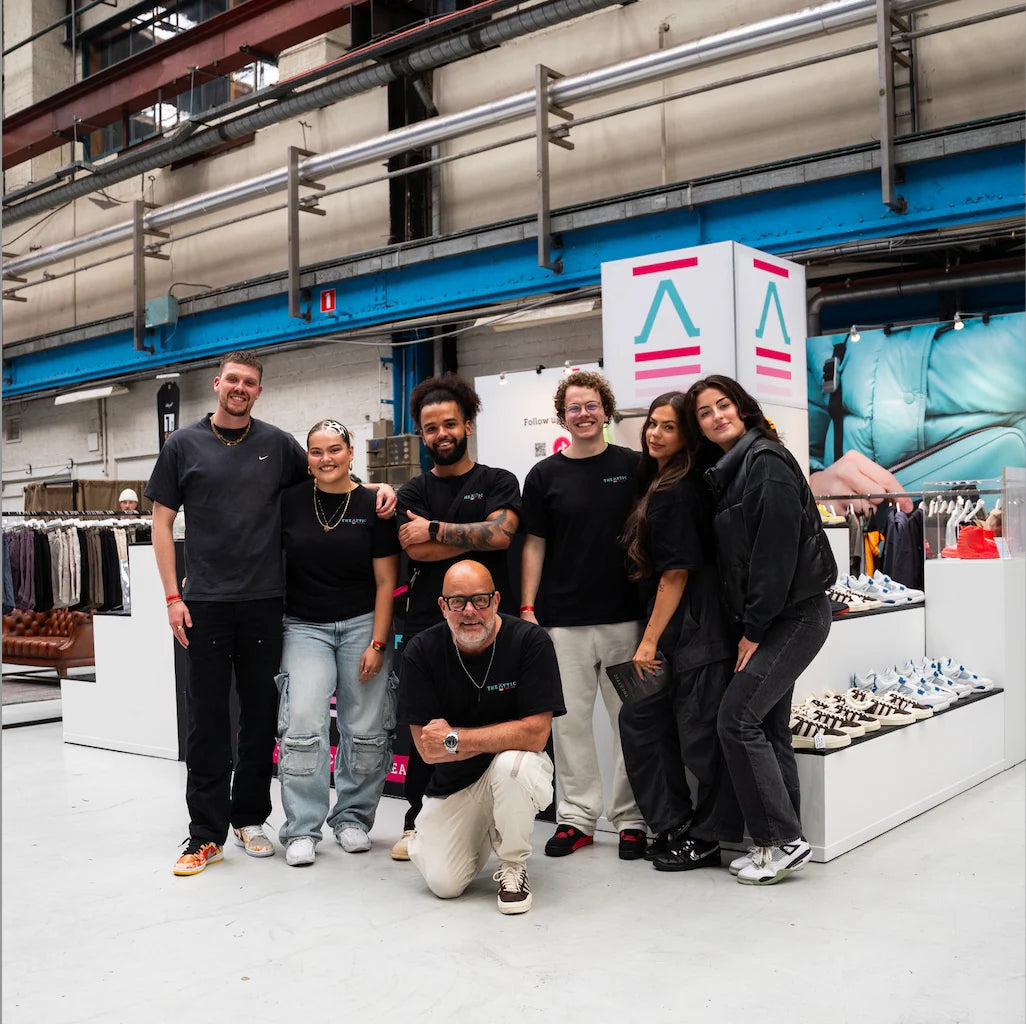
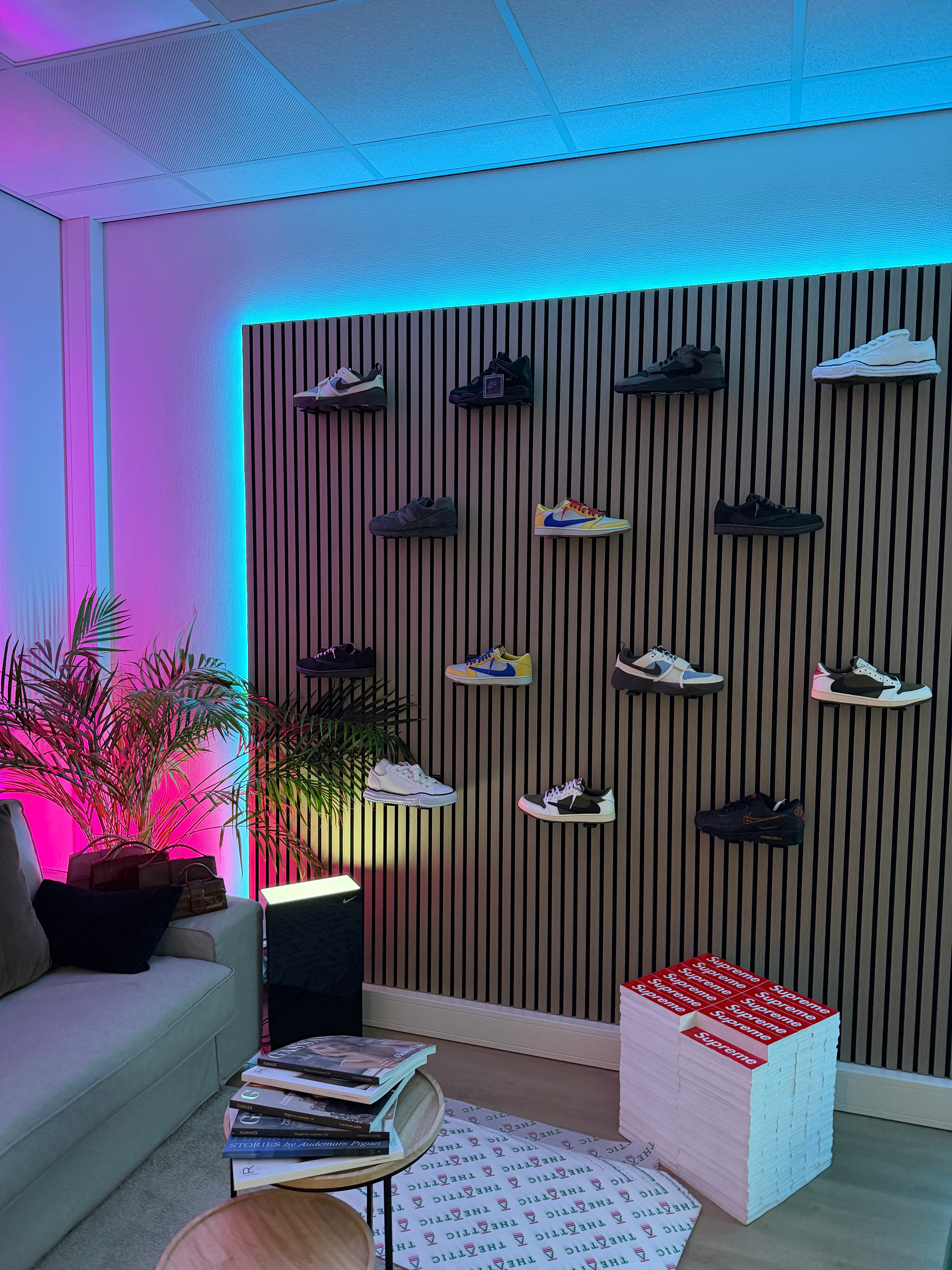
Od OG barevných variant po nejvzácnější kolaborace, v The Attic držíme skladem velmi bohatou kolekci Air Max a neustále se mění s příchodem nových releasů a těžko dostupných párů. Každý jednotlivý pár prochází naším skladem ve městě Zwijndrecht, kde ho naši specialisté ručně zkontrolují a ověří před odesláním. Objednejte online s rychlým doručením po celé Evropě, nebo se zastavte v našem showroomu, prohlédněte si páry naživo, vyzkoušejte je a popovídejte si o teniskách s našimi streetwear specialisty. Touto řadou žijí a dýchají, rádi vás provedou kolekcí a najdou vám správnou velikost, i kdybychom ji museli sehnat přes naši službu On Demand.
Přečtěte si více
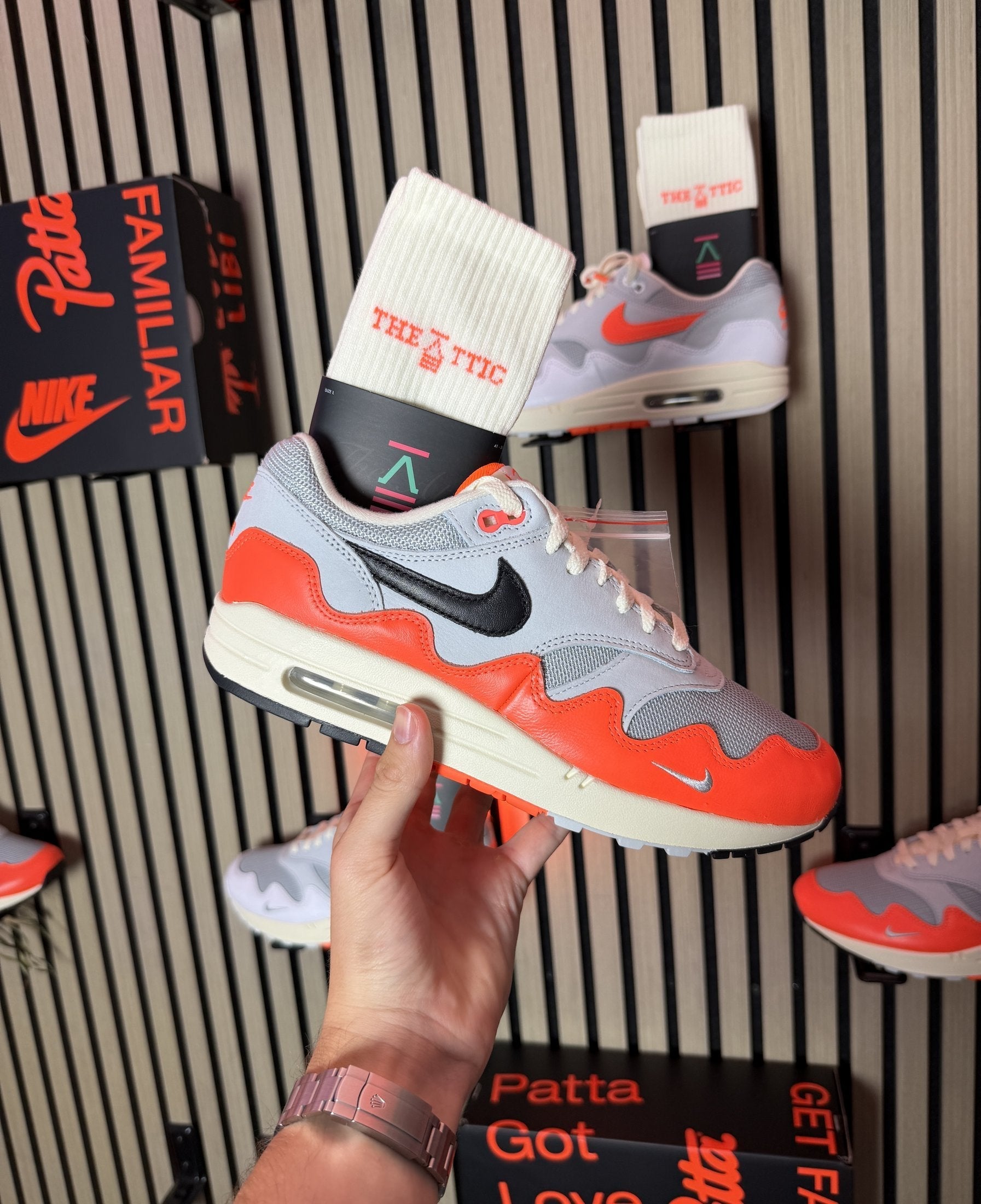
Patta x Nike Air Max 1 Waves 2026: Hyper Crimson a Black Crimson pod drobnohledem
Wave je zpět. Objevte pack Patta x Nike Air Max 1 Waves 2026: Hyper Crimson a Black Crimson, materiály, příběh a kde oba páry koupíte.
Průvodce modely New Balance: každá silueta, kterou musíš v roce 2026 znát
Od 530 po zbrusu nový 5030: kompletní průvodce každým modelem New Balance, který musíš v roce 2026 znát, a který pár sedne tvému stylu.
Napsat komentář
Všechny komentáře jsou před zveřejněním moderovány.
Tento web je chráněn službou hCaptcha a vztahují se na něj Zásady ochrany osobních údajů a Podmínky služby společnosti hCaptcha.